
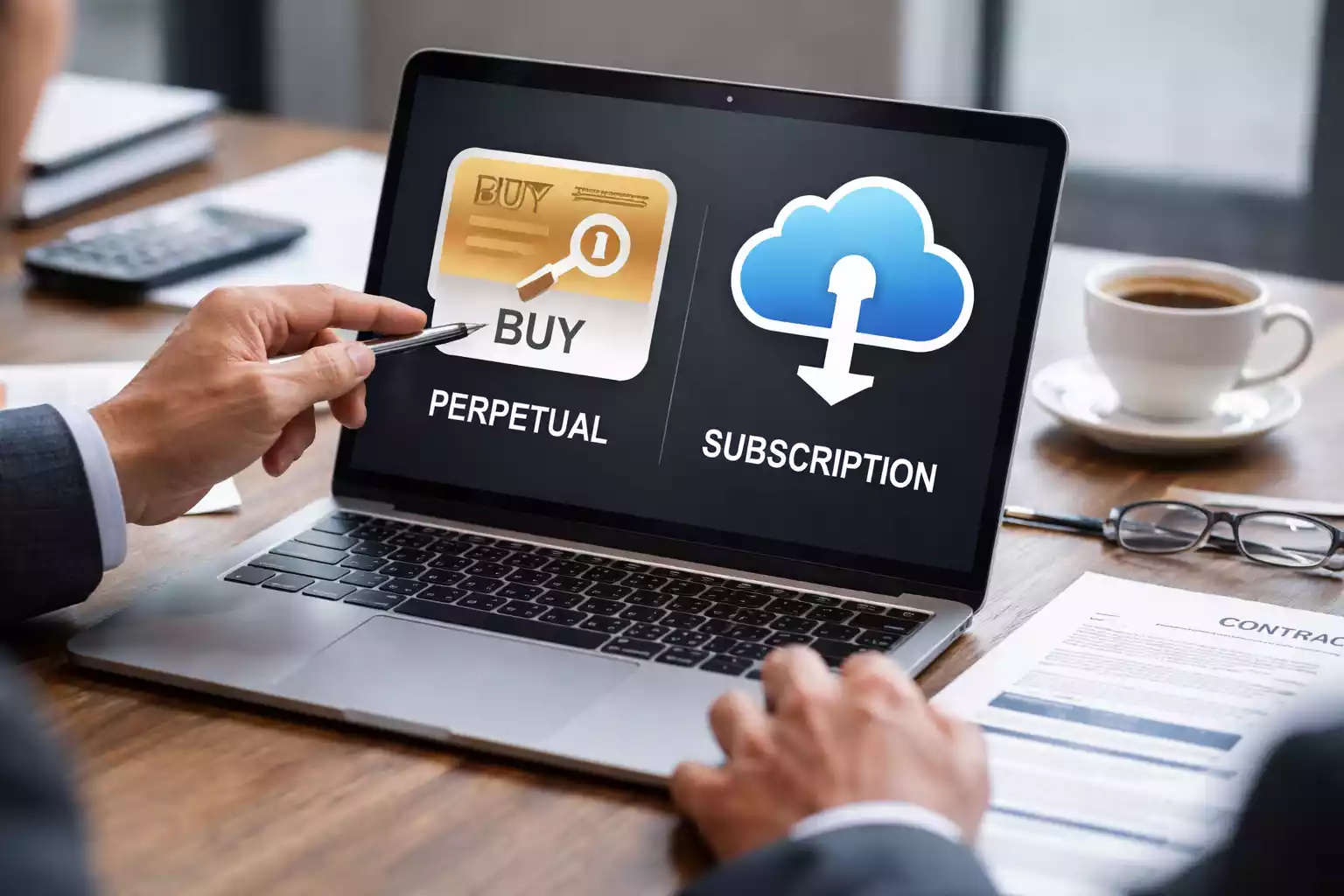
Why ownership still matters in a subscription-heavy market
Somewhere along the way, businesses stopped asking whether they were buying software or merely renting permission to use it. The invoices still arrive on time, though. Ownership did not disappear. It was just made inconvenient.
Table of Contents
The Quiet Shift From Ownership to Obligation
Over the last decade, subscription pricing has become the default business model for software vendors. Monthly fees replaced licenses. Feature access replaced product ownership. For many organizations, this change happened incrementally, without a deliberate decision point.
What often gets overlooked is that subscriptions are not the only viable model. A number of vendors still offer perpetual licenses, hybrid options, or one-time purchases with optional maintenance. These products rarely receive the same marketing attention, but they exist, and choosing them is not a nostalgic act. It is a strategic one.
When businesses consistently choose subscription-only products, they reinforce a market assumption: that customers no longer value ownership. Vendors respond accordingly.
What Perpetual and Hybrid Models Actually Offer
A perpetual license does not mean “no ongoing cost.” It means control over when costs occur. Hybrid models go a step further, separating ownership from services such as updates, support, or cloud features.
In practice, these models provide several tangible advantages:
- Predictable long-term costs
The upfront expense is higher, but the absence of mandatory recurring fees simplifies multi-year planning. - Reduced vendor leverage
When access is not tied to continuous payment, pricing changes carry less risk. - Operational continuity
Software does not stop working because a budget line was delayed or renegotiated. - Exit flexibility
Ownership lowers switching pressure during mergers, restructures, or tool consolidation efforts.
These benefits matter most to organizations that value stability, regulatory clarity, or long planning horizons.
Why Vendors Still Offer These Models
Despite the dominance of subscriptions, some vendors continue to support ownership-based pricing for a reason: certain customers demand it. Regulated industries, infrastructure providers, and cost-sensitive organizations often require long-term control over tools they rely on.
When buyers consistently select perpetual or hybrid offerings, they send a clear signal that:
- Not all value comes from recurring revenue
- Trust is built through optional relationships, not forced ones
- Long-term customers are worth accommodating
Markets follow purchasing behavior more reliably than public complaints.
The Strategic Cost of Ignoring Ownership
Choosing subscription-only tools is easy in the short term. The friction shows up later.
Over time, organizations may find themselves facing:
- Escalating renewal costs with limited alternatives
- Bundled features that cannot be unbundled
- Inability to pause or downscale usage without disruption
- Reduced negotiating power during contract renewals
Once ownership disappears from purchasing criteria, regaining it becomes difficult. Vendors notice when buyers stop asking.
How to Support Ownership Without Disrupting Operations
Supporting perpetual or hybrid models does not require rejecting subscriptions outright. It requires intentional evaluation.
When reviewing tools, decision-makers should ask:
- Is a perpetual or hybrid option available, even if it is not promoted?
- Which components truly require ongoing services?
- What happens if we stop paying?
- Does this tool remain usable five years from now without renegotiation?
Even choosing one ownership-based product in a category dominated by subscriptions influences vendor behavior more than it appears.
Ownership as a Market Signal
Every purchasing decision communicates values. Choosing software that respects ownership tells vendors that customers care about autonomy, durability, and long-term planning.
This is not an ideological stance. It is a governance one.
Subscriptions will remain common, and in some cases appropriate. But when businesses support perpetual and hybrid models where they make sense, they help preserve an ecosystem where ownership remains a viable option rather than a historical footnote.
Ownership still matters. Markets respond when buyers act like it does.
One thought on “Support Perpetual and Hybrid Models”