
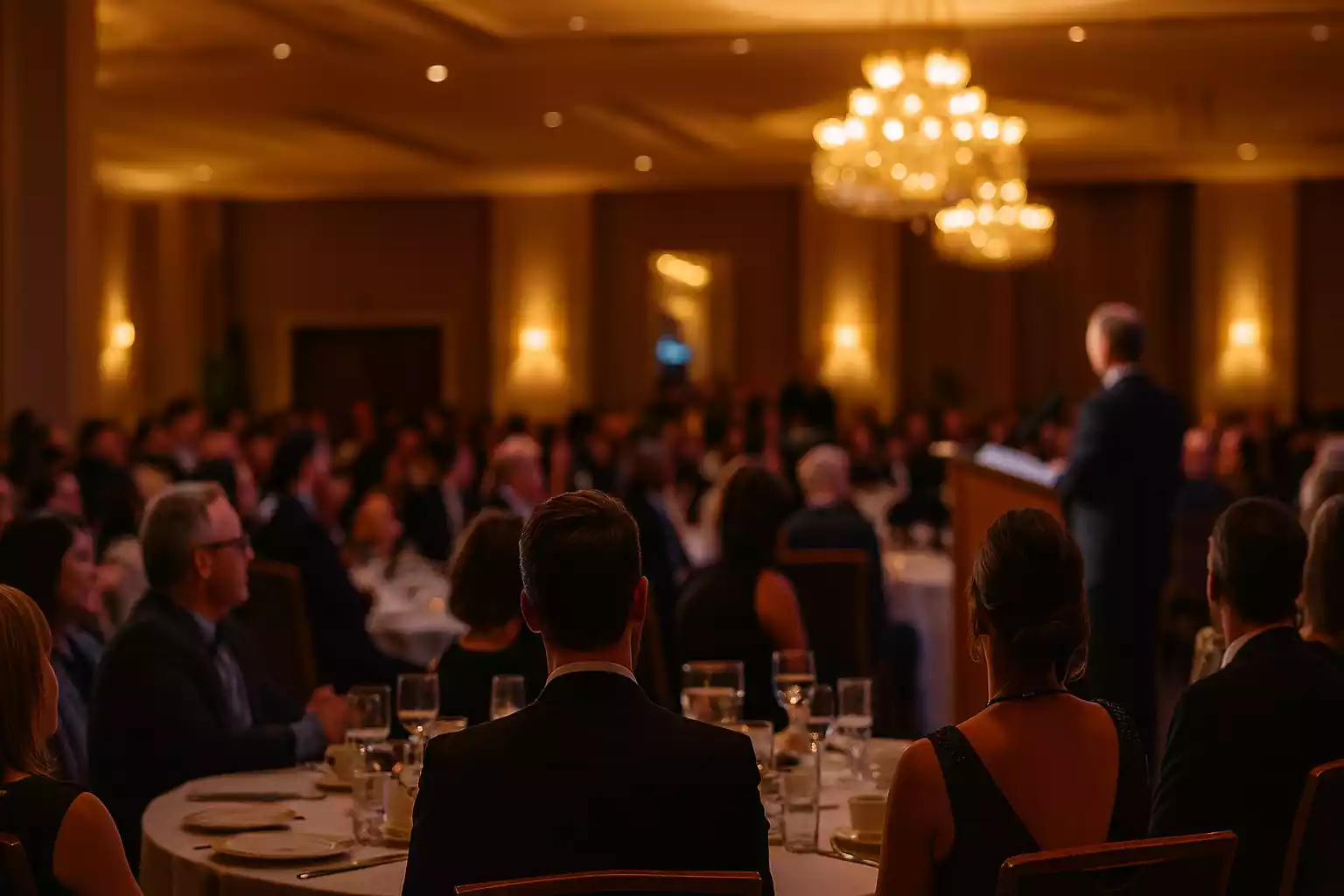
Being an emcee isn’t just about holding a microphone—it’s about leading a room, shaping an experience, and guiding an audience through an event with confidence, clarity, and charisma. Here’s how to elevate your hosting skills to professional levels.
The Art of Being an Emcee: How to Engage, Entertain & Elevate Any Event
Whether you’re hosting a corporate awards night, a charity gala, a fan convention, or a community celebration, the emcee is the backbone of the event’s energy. A great host keeps the pace, sets the tone, and ensures the audience stays connected from start to finish. Here’s how to do it well—and consistently.
1. Ditch the Script—Use Bullet Points
One of the biggest mistakes new emcees make is relying on a fully written script. Scripts lock you into rigid language and prevent you from sounding natural. Instead, aim for clarity and flexibility by creating strong bullet points.
- Key transitions (opening, closing, introducing speakers)
- Important names, titles, and keywords
- Any crucial sponsor mentions or required talking points
Why bullet points work:
They allow room for personality, reactions, and humor.
They let you stay adaptable when something changes (because something always does).
They keep your delivery natural and conversational.

2. Customize Your Style to the Audience
The best emcees don’t recycle the same tone for every event. Your performance should shift depending on the room, culture, age group, and purpose of the event.
Examples of Style Adaptation
Corporate audience:
Polished, confident, light-humored. They prefer professionalism with a human touch.
Example line: “Let’s pretend one more time that the coffee hasn’t worn off yet.”
Charity gala or fundraiser:
Warm, empathetic, mission-focused.
Example line: “Tonight is about impact—and every hand raised makes a difference.”
Fan convention or entertainment event:
High-energy, fun, interactive.
Example line: “Alright, who’s ready to make some noise loud enough to confuse security?”
School or youth events:
Encouraging, energetic, and clear.
Example line: “You all have a big day ahead—let’s kick it off with the kind of energy your teachers fear.”
Rule of thumb: The audience determines the energy, not the other way around.

3. The Importance of Mingling Before You Go On
Great emcees don’t wait backstage until it’s time to speak. They walk the room before the event starts.
Mingling gives you:
- Insight into the vibe of the group
- Names and faces you can reference on stage
- Real stories and moments to personalize your hosting
- Instant rapport and likability—because people root for people they know
Even spending 10 minutes talking to attendees can dramatically change the energy of your performance. When the audience feels like they’ve “met” you before the show even starts, they’re already on your side.
4. Do Your Best—Every Time
No audience is too small. No event is too casual. Your professionalism should be the same whether you’re emceeing a small luncheon or a 5,000-person conference.
Why consistency matters:
- You never know who’s watching—future clients may be in the room.
- Every gig builds your reputation and your skillset.
- Consistency builds trust and credibility in the industry.
People remember great hosts. They remember energy, humor, the smooth handling of surprises, and the comfort of knowing someone is confidently steering the event. You can’t control everything—but you can always control your effort.
Final Thought
Being an emcee is equal parts preparation, personality, and presence. Show up early. Stay adaptable. Know the room. And most importantly, bring your best self to the stage every time. The more you host, the more natural it becomes—and the more events you’ll be asked to lead.