It used to be simple. You bought a laptop, you owned it, and it lasted as long as the hardware allowed. Now, even your keyboard might come with terms and conditions.
HP Inc. has begun pushing further into subscription-based hardware models. Instead of purchasing a laptop outright, customers pay a recurring fee for access to the device, support, upgrades, and replacement cycles. On paper, it sounds convenient. Predictable payments. Built-in service. Automatic refresh.
But the shift raises a deeper question. Are we witnessing the end of ownership in consumer technology?
Table of Contents
From Product to Permission
For decades, personal computing followed a straightforward model. You purchased hardware. You installed software. You used it as long as it functioned.
That model has been steadily replaced by access-based economics:
- Software moved to monthly billing
- Media moved to streaming
- Cloud storage replaced local drives
- Features are unlocked or restricted through remote licensing
Now hardware itself is following the same path.
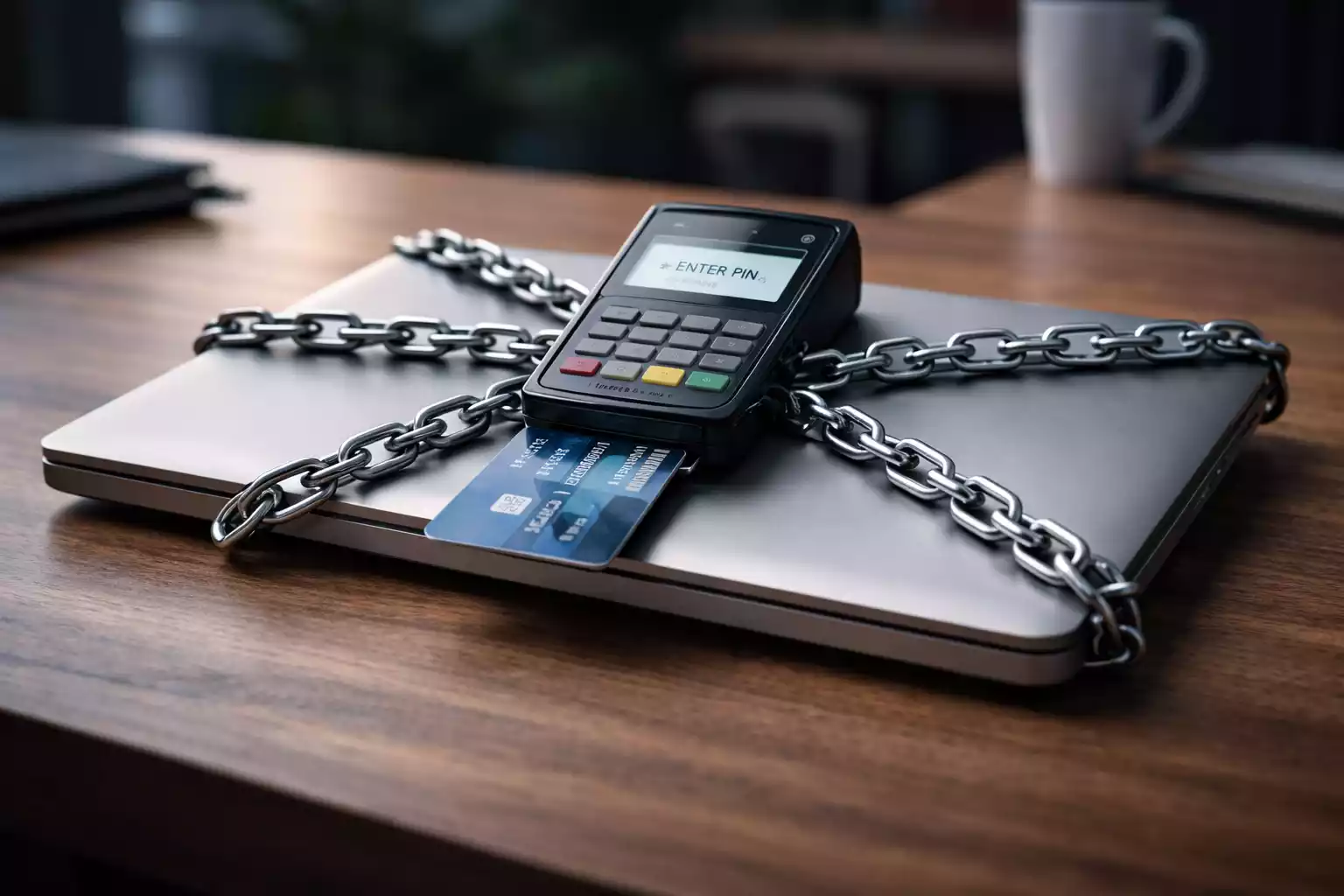
In HP’s subscription model, the laptop is not fully yours in the traditional sense. You are paying for the right to use it under an agreement. The device may be returned at the end of the term. Repair policies, upgrades, and even performance controls can be governed by contract rather than by physical ownership.
This is not a small shift. It changes the relationship between user and machine.
The Financial Framing
Companies frame subscription hardware as financially accessible. Instead of a $1,200 upfront cost, customers pay a lower monthly fee. That can make sense for businesses managing cash flow. It can also reduce support headaches if service is bundled.
However, over time, subscriptions often exceed the cost of outright purchase. Consumers are familiar with this pattern from streaming services and productivity software. The small recurring fee feels manageable. The cumulative cost rarely feels visible.
When the billing never stops, neither does the dependency.
Control Moves Upstream
Ownership traditionally implied autonomy. If you bought a laptop, you could modify it, repair it, upgrade parts, or install whatever operating system you preferred.
Under subscription hardware, that autonomy can narrow. Remote management tools can control updates. Terms of service can limit modification. Devices can be disabled if accounts lapse. The boundary between device and vendor becomes blurred.
This trend aligns with other movements in the industry:
- Locked bootloaders
- Serialized parts that restrict third-party repair
- Cloud-based authentication for hardware functions
The direction is clear. Control is shifting away from the end user.
The Broader Pattern
HP is not alone in exploring hardware-as-a-service. Enterprise IT has long operated on leasing models. Smartphones increasingly follow upgrade plans tied to carriers. Automakers have experimented with subscription features for heated seats and advanced driver functions.
The pattern signals a larger economic preference. Predictable recurring revenue is more attractive to companies than one-time transactions. Investors reward stable billing cycles. That incentive structure shapes product design.
When revenue depends on ongoing payment, products are built to maintain it.
What This Means for Consumers
The practical question is not whether subscription hardware will exist. It already does. The real question is whether it becomes dominant.
Consumers should weigh several considerations:
- Total cost over time
- Data portability and backup rights
- Repair flexibility
- Exit options if pricing changes
- What happens if the company discontinues the program
Subscription laptops may make sense for short-term use, managed fleets, or specific professional needs. They are less appealing for individuals who value longevity and control.
The Cultural Shift
There is also a psychological element. Ownership fosters attachment and responsibility. Rental fosters convenience and replacement.
When everything becomes rented, permanence fades. Devices feel temporary. Files live in someone else’s infrastructure. Access depends on account status.
The shift is subtle but powerful. Technology moves from being a tool you possess to a service you access.
That is not inherently good or bad. It is a change in power dynamics.
Is There a Counter-Movement?
There are signs of resistance:
- The right-to-repair movement gaining legal traction
- Growing interest in open-source systems
- Consumers favoring devices with longer lifespans
- Small manufacturers advertising modular hardware
These efforts reflect a desire to preserve user control. Whether they remain niche or expand into mainstream behavior remains uncertain.
A Fork in the Road
Subscription-based laptops represent more than a billing adjustment. They reflect a broader shift in how technology companies view customers. Not as owners, but as ongoing revenue streams.
The decision facing consumers is straightforward. Convenience and managed service, or control and long-term ownership.
The market will respond to whichever choice becomes dominant.
The question is whether users are paying attention before ownership becomes the exception rather than the norm.